Finance Ministry Prepares Austerity Package for Incoming Government
The plan includes ending a half-billion-shekel fuel subsidy and raising taxes to fund an 187-billion-shekel defense budget.
By Carlos Mendoza ·
Israel’s Finance Ministry has finalized a package of economic measures that will be handed to the next government. The plan is designed to fund a defense budget projected to reach NIS 187 billion while preventing further increases in the national debt and deficit ratio. Officials state the measures were developed in coordination with the Bank of Israel.
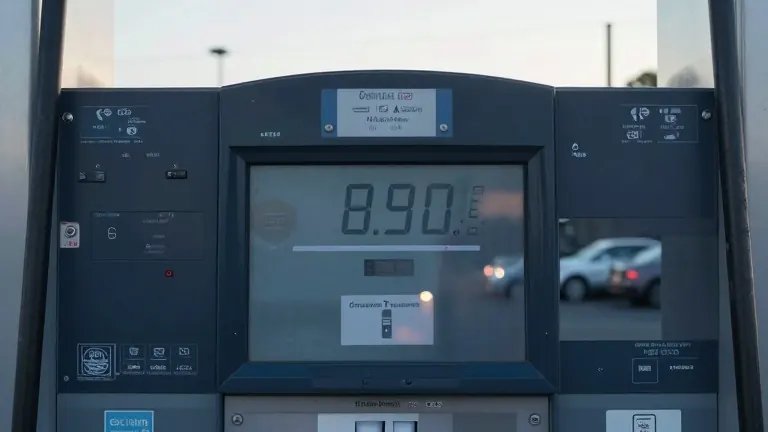
The most immediate change for consumers will occur at midnight on Saturday. The government will terminate a subsidy that lowered gasoline prices by NIS 1 per liter over the past two months. This subsidy has cost the state more than NIS 500 million. Consequently, pump prices will rise by at least NIS 1 per liter immediately. The price of a liter of self-service 95-octane gasoline is expected to hit NIS 8.90, though a recent 1% drop in the dollar’s value against the shekel may soften the blow.
Higher fuel costs are expected to cascade into other sectors where prices are currently frozen. Electricity, water, and public transportation rates have been held steady by government initiative. As these freezes are lifted, the Consumer Price Index is likely to increase. The Finance Ministry estimates the entire revenue package will generate NIS 10 billion for the state.
To boost revenue, the plan includes new taxes on residential property rentals. Currently, rental income up to NIS 5,654 per month is exempt from tax. The new rules would require mandatory reporting of rental income and tax earnings from the first shekel. Several of these legislative items have previously stalled in the Knesset Finance Committee. The package also proposes a tax on international streaming services, commonly called the Netflix tax, and suggests reducing tax benefits on pension contributions.
Funding the defense budget will also require sharp cuts to coalition funds and efficiency measures across government ministries. The incoming coalition faces a tight deadline to pass a 2027 budget, or potentially a two-year budget covering 2027 and 2028. This budget must include comprehensive reforms under the Economic Arrangements Law. If approval is not secured by the end of 2027, the Finance Ministry will need to prepare a continuing budget.
The political timetable is compressed. Parties forming the new coalition must begin implementing actions before the government is officially formed. Existing automatic budgetary provisions will keep income tax brackets, tax credit points, and National Insurance contributions frozen in 2027. The VAT rate will also remain unchanged under these provisions.
Market reaction to the economic outlook has been mixed. The Tel Aviv Stock Exchange declined at the start of the final trading day before the elections. This followed Prime Minister Benjamin Netanyahu’s weekend warnings about the crypto economy, potential sanctions, and reduced US aid. However, the market reversed its trend and moved into positive territory, with banking stocks remaining the exception. Traders appear cautiously optimistic about the possibility of political change despite the month’s prior decline.
Source: The Jerusalem Post
More Business · Scam Watch · Report a business · Got a Story?